
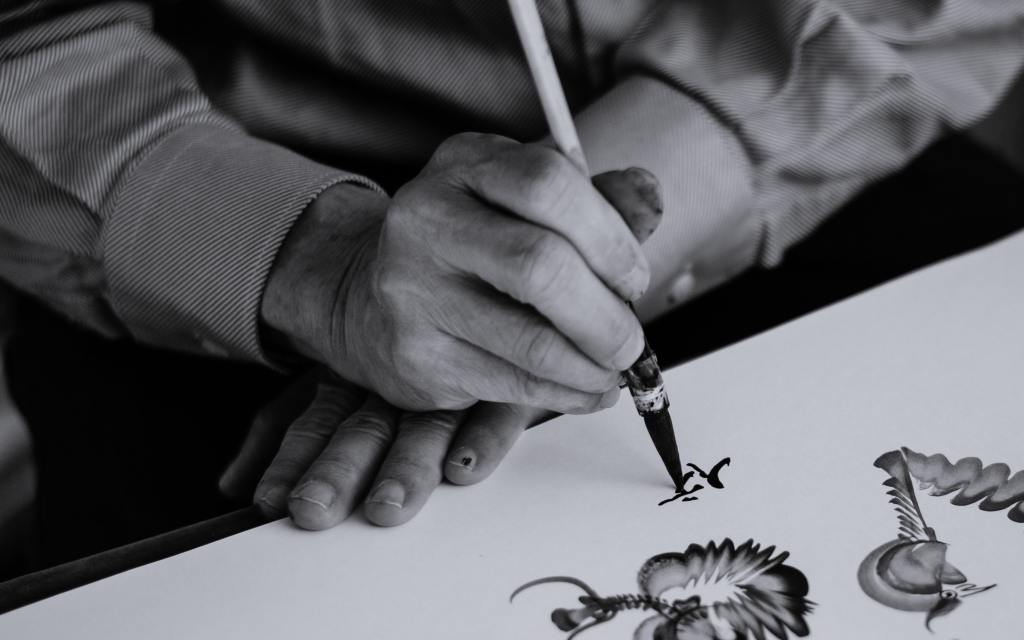
As a creator, a working artist – it IS all in my hands. They are the tools of my sculpting, painting, crafting and creating. I am grateful to be able to work with my hands – in creative fields. From teaching art – and seeing the satisfaction and feelings of accomplishment that ripple over a student’s face… to creating art and feeling the pride in my work, the ability to express myself in clay, paper, metal, beads.
Its something that is deeply rooted in me. I have a hard time sitting with still hands. When I relax, I doodle. When I am on vacation – I have a travel sketchbook. There is an increased awareness and appreciation that I feel when I am making as I travel…
Hands are our primary tools. They create, work, construct, build. They control, rend, dismantle, destroy. They heal and comfort and console. They speak and emote, they pray and communicate. According to Aristotle, the hand is the “tool of tools.” In general it is strength, power and protection. However, it can just as easily mean generosity, hospitality and stability; “lend a hand”. It is used in gestures of greeting and friendship (shake hands).
Let me present a few illustrative hands, may they inspire you to take it to the page!
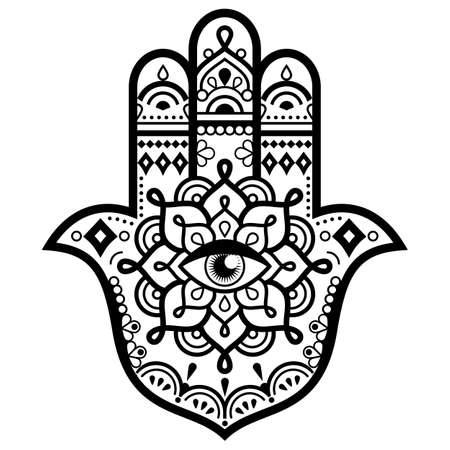
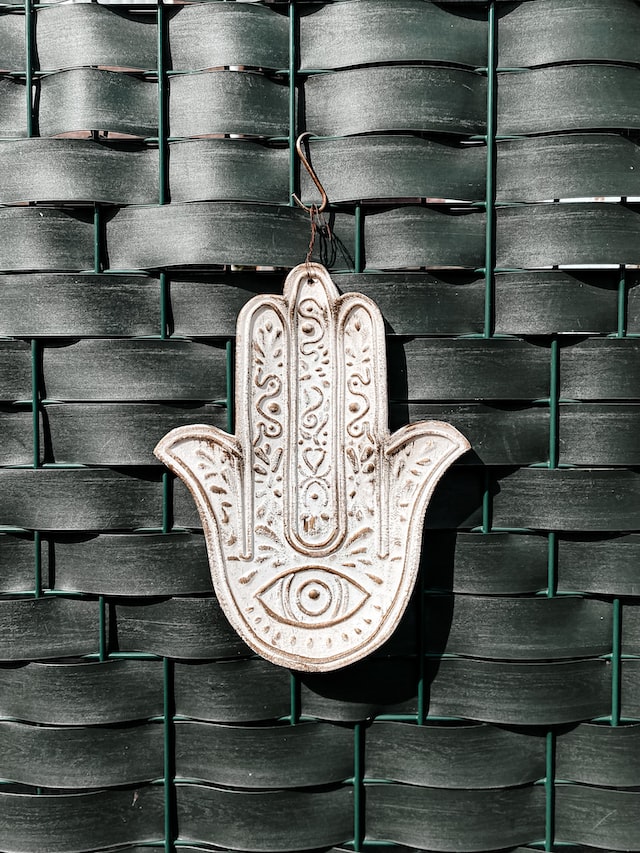
The Hamsa hand:
The hamsa (Arabic: خمسة, romanized: khamsa) is a palm-shaped amulet popular throughout North Africa and in the Middle East and commonly used in jewellery and wall hangings. Depicting the open right hand, an image recognized and used as a sign of protection in many times throughout history, the hamsa has been traditionally believed to provide defense against the evil eye.
Khamsah is an Arabic word that means “five”, but also refers to images of “the five fingers of the hand”. In Jewish culture, the hamsa is associated with the number five because of the five fingers depicted on the hand, and because the word khamsa is cognate to the Hebrew ḥamishah (חֲמִישָׁה), which also means “five.” ( Wiki)

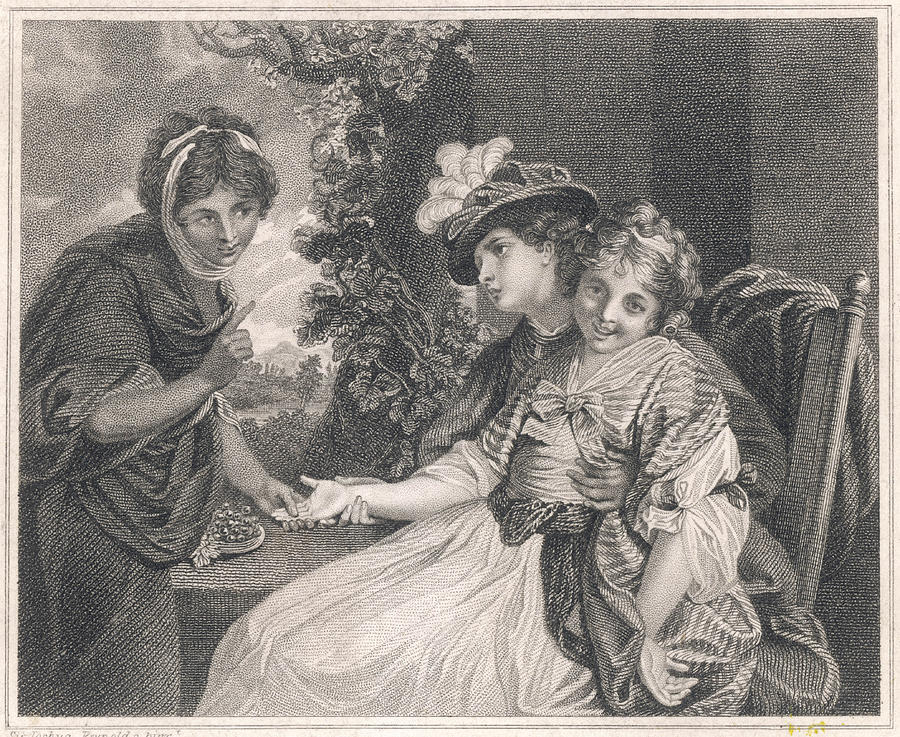
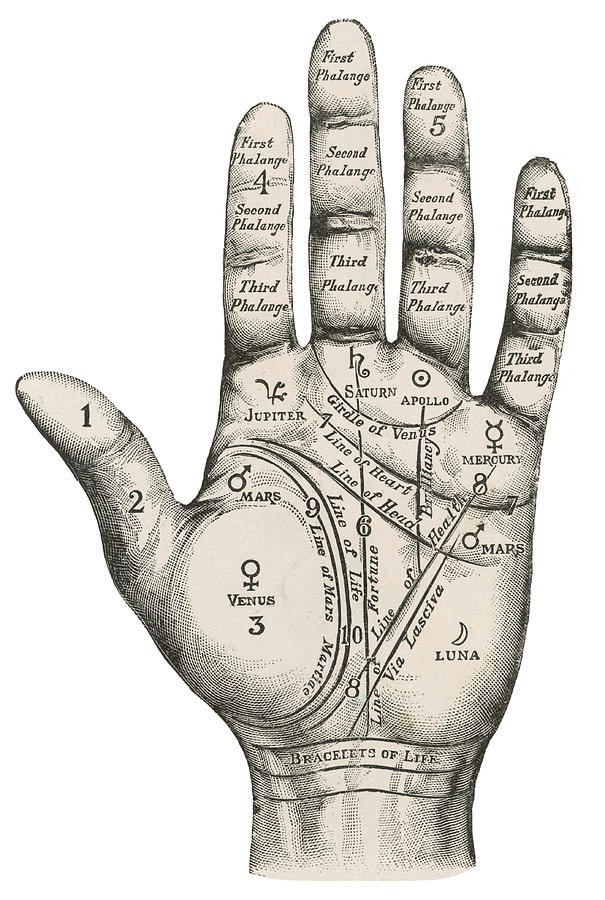
The Palmistry hand:
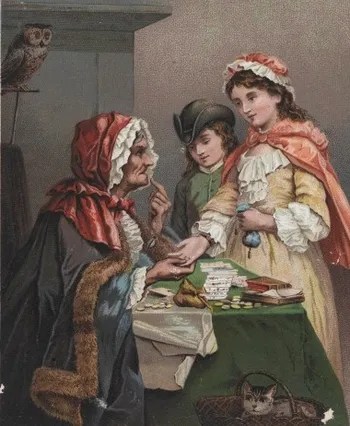
Palmistry – practice of fortune-telling through the study of the palm. Also known as palm reading, chiromancy, chirology or cheirology, the practice is found all over the world, with numerous cultural variations. Those who practice palmistry are generally called palmists, hand readers, hand analysts, or chirologists. It is ancient and archetypal; with roots that tie it to Hindu astrology and Roma fortune telling.
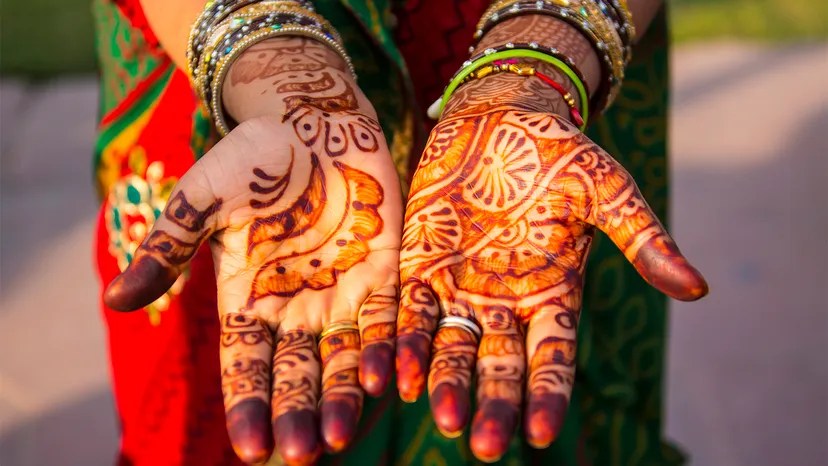
Traditional Mehndi designs:
Mehndi is a form of body art and temporary skin decoration from the Indian subcontinent usually drawn on hands or legs. They are decorative designs that are created on a person’s body, using a paste, created from the powdered dry leaves of the henna plant (Lawsonia inermis). Traditional usage would see elaborate designs on a woman’s hands and feet n preparation for her wedding. Pop culture assimilation has Henna designs available at the beach every summer….
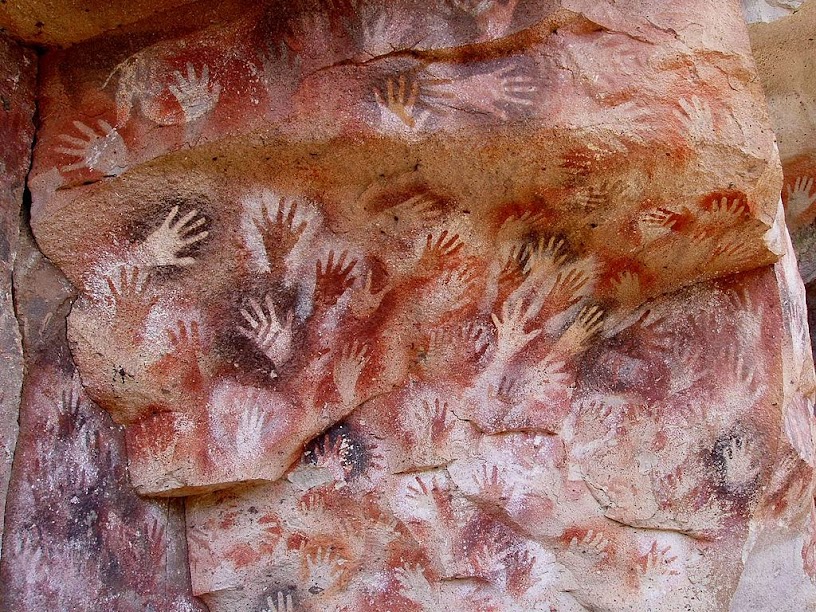
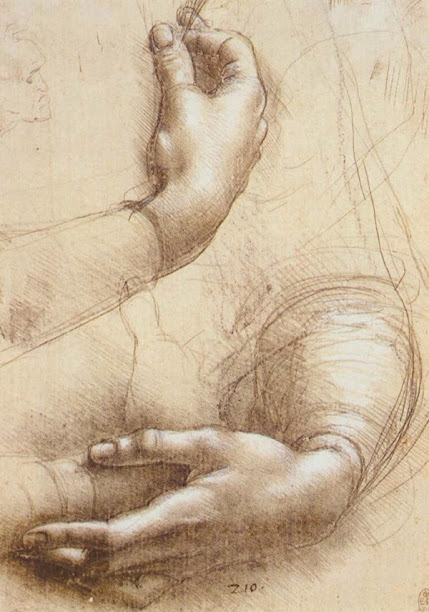
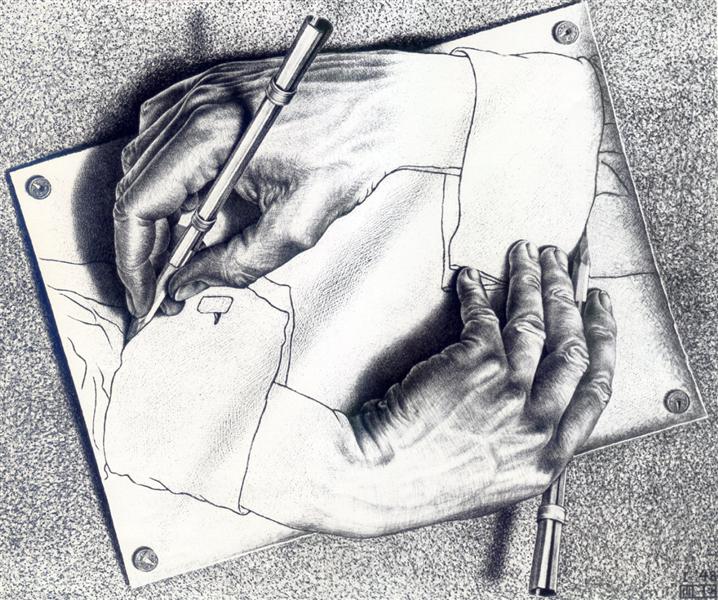
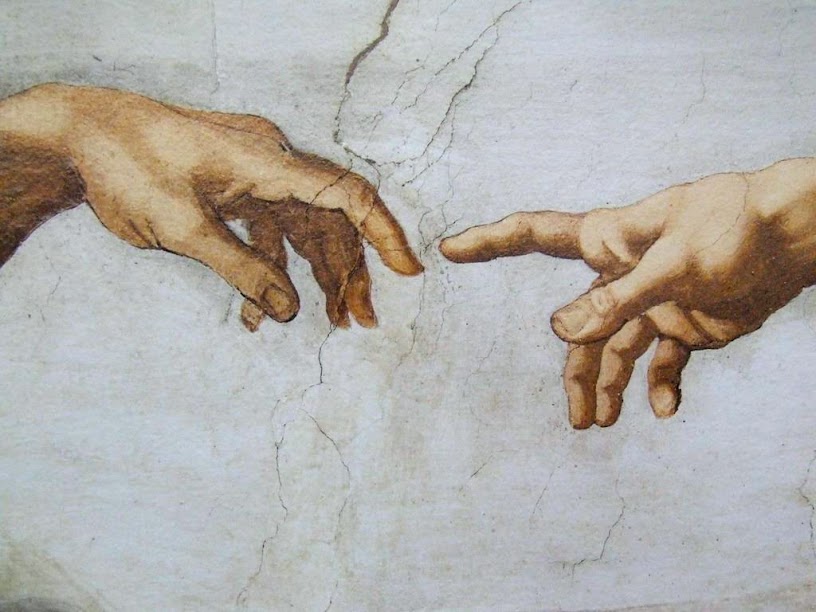
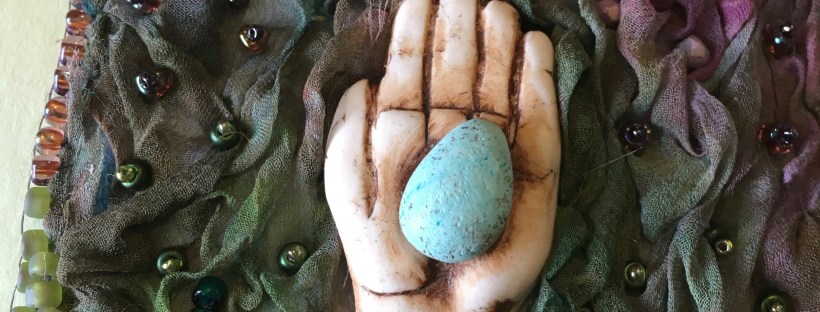
Famous hands in art:
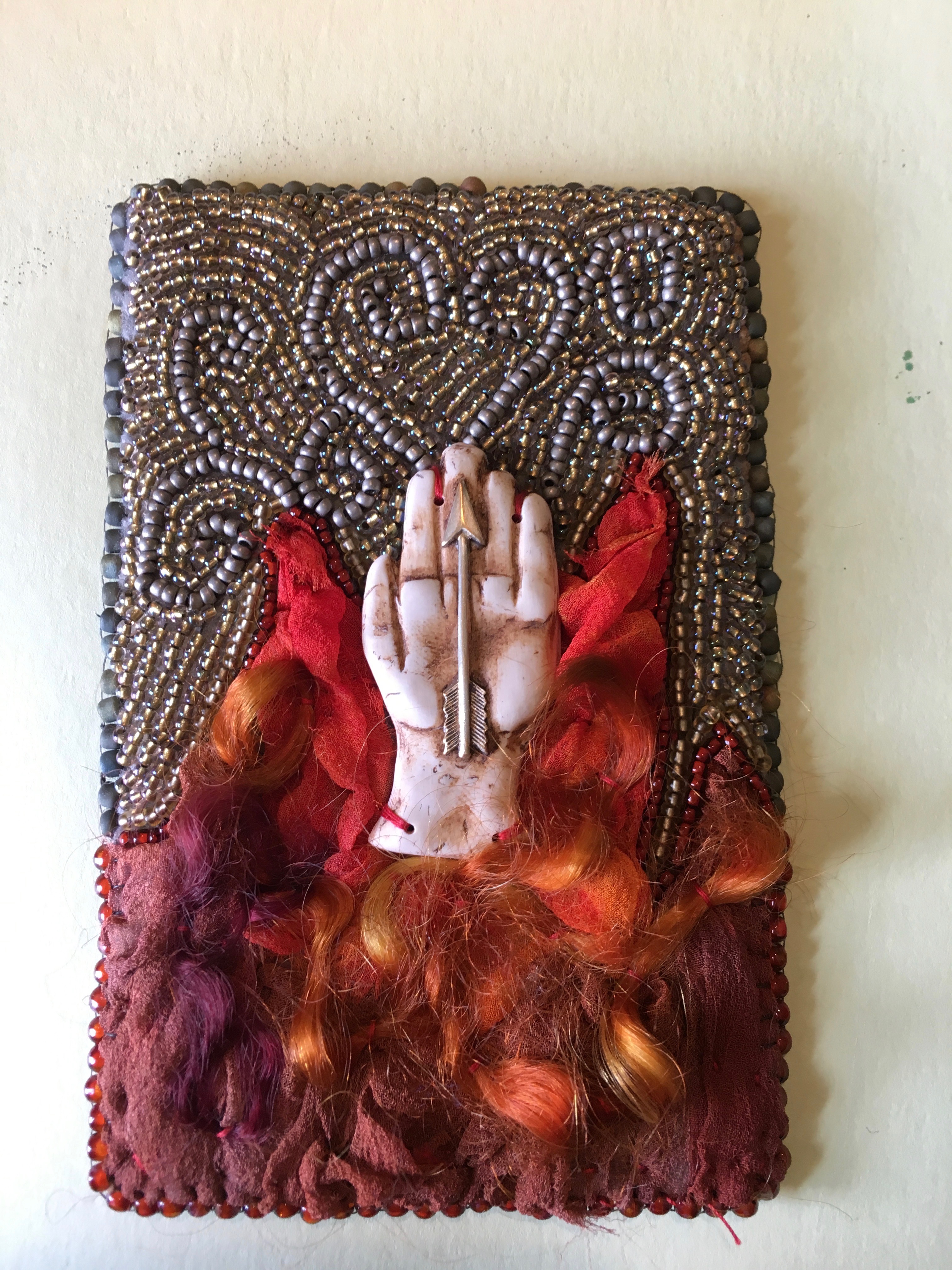
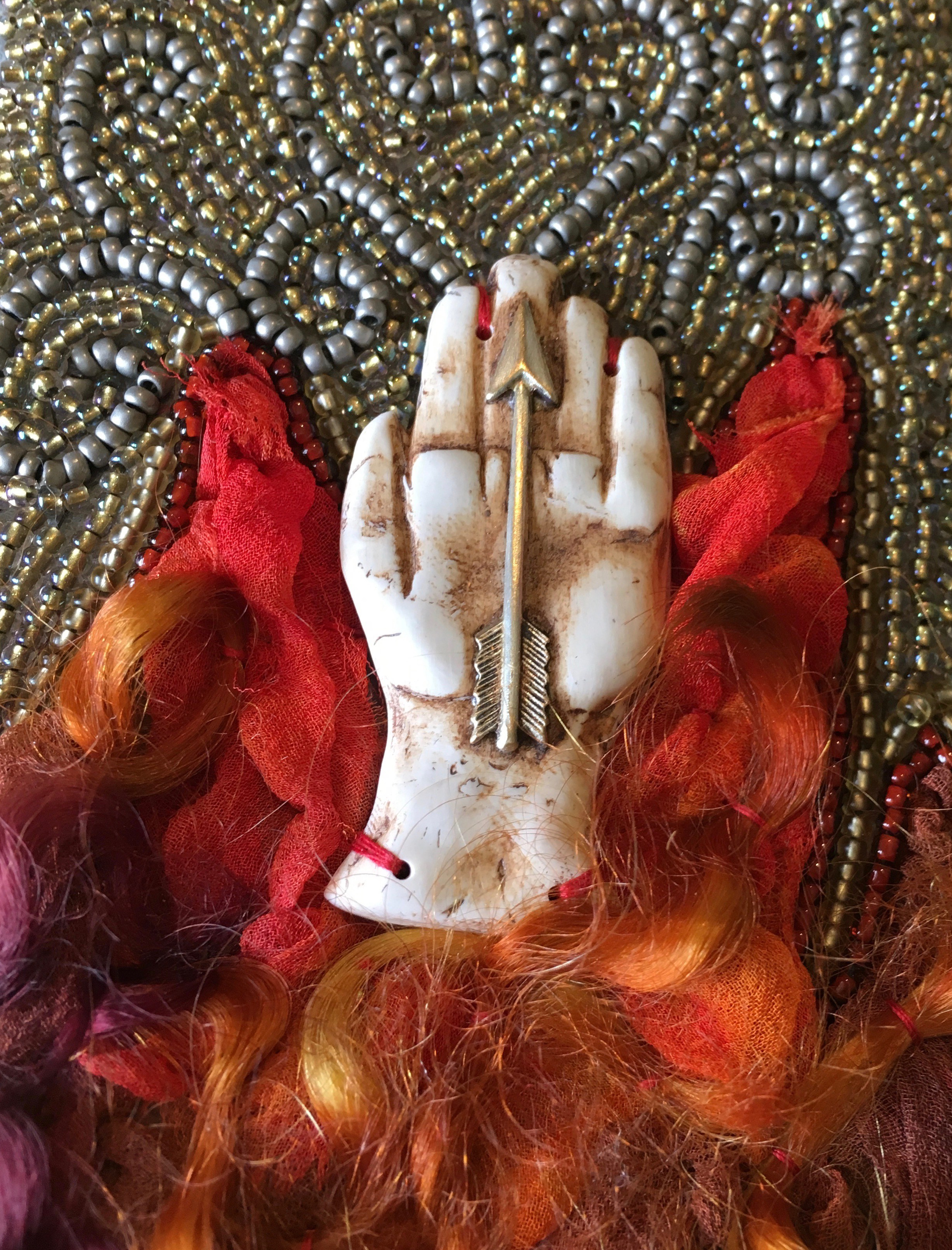
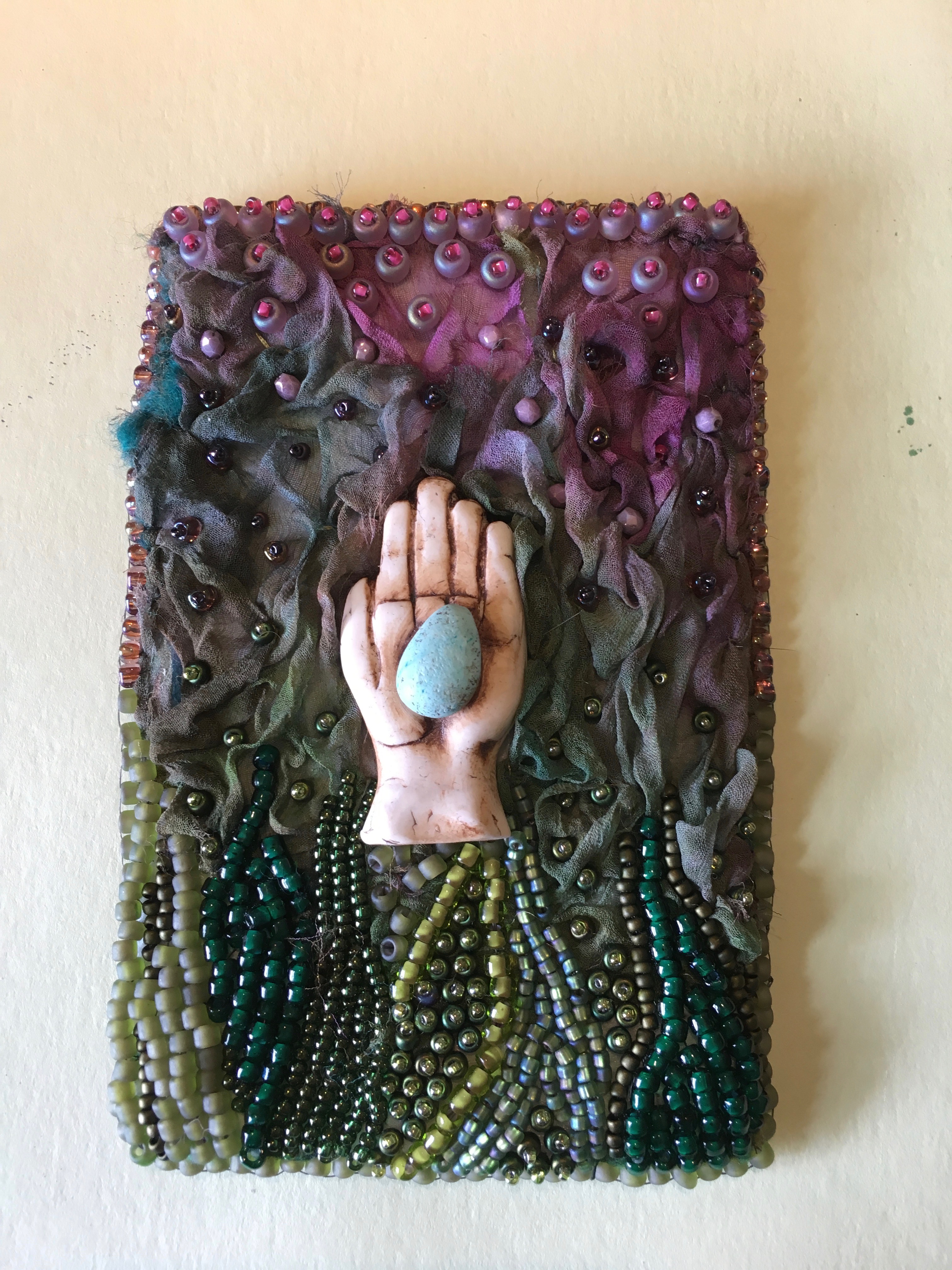
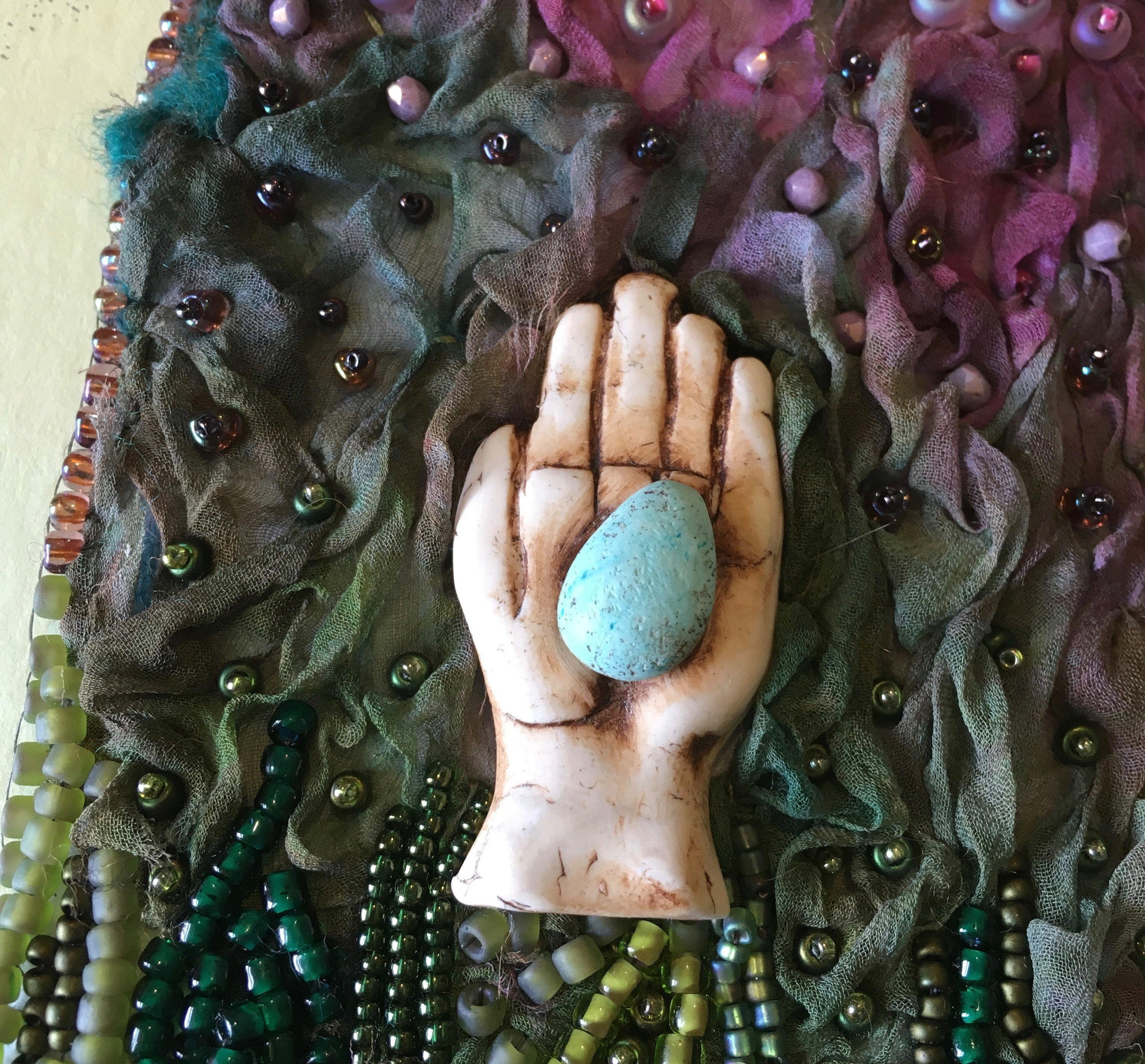
 Jenny Davies-Reazor